Authors
- Daniela Avilan Fajardo
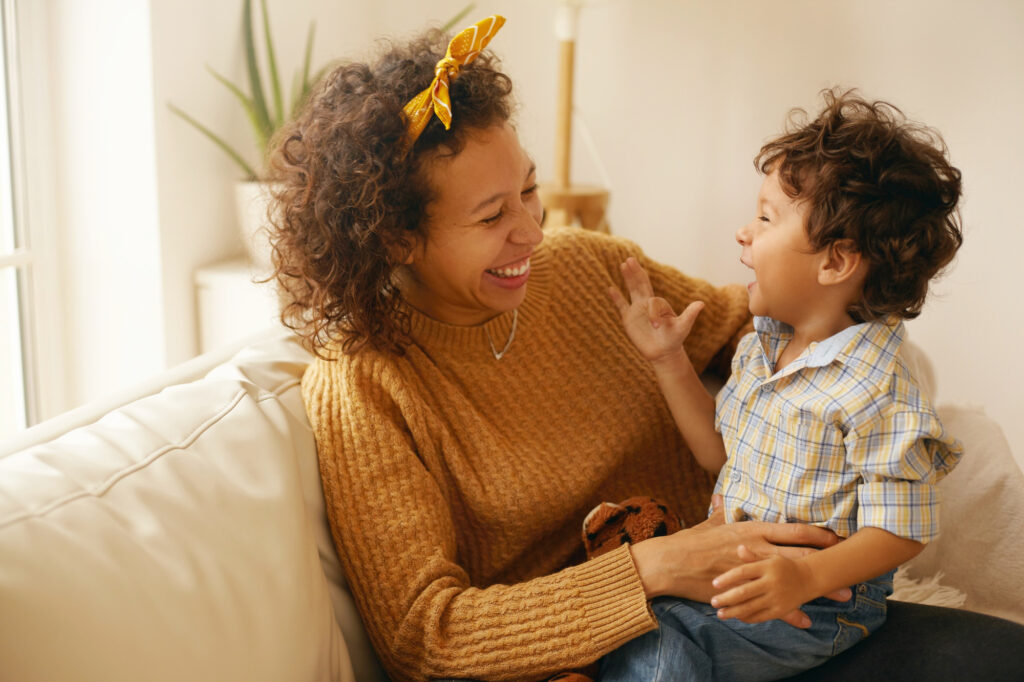
Child development is a dynamic, individual, and continuous process that encompasses the evolution of each child’s physical, cognitive, socioemotional, language, and spiritual abilities. This process is deeply influenced by the family, social, and cultural environment, as well as by learning opportunities and everyday interactions experienced by children (Aldeas Infantiles SOS, 2025). Within this process, speech therapy and occupational therapy play a key role in the early detection of and support for potential developmental difficulties.
Speech therapy in child development
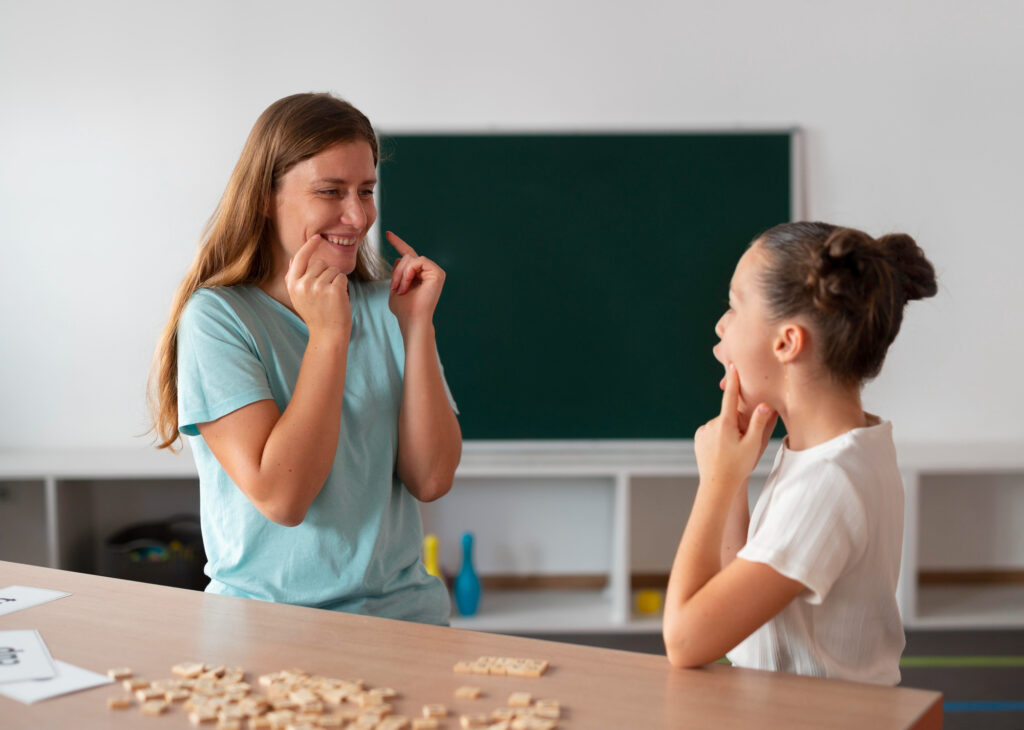
Speech therapy is a health discipline dedicated to the study of human communication and its disorders, intervening in speech, language, hearing, voice, and swallowing, both in prevention and rehabilitation contexts (ECR, 2022). Its main objective is to promote communicative well-being and quality of life.
In childhood, speech therapy focuses on stimulating language and communication skills through the assessment and intervention of difficulties related to oral expression, comprehension, articulation, fluency, hearing, and swallowing (ECR, 2022). It also contributes to school performance and socialization in children with speech or language disorders.
According to KidsHealth (2019), speech therapy helps treat articulation disorders, fluency disorders such as stuttering, voice disorders, and difficulties in verbal comprehension or expression. It also intervenes in cases associated with medical conditions such as hearing loss, orofacial muscle weakness, autism, or swallowing difficulties.
Early intervention is essential. Consultation with a speech therapist is recommended when signs such as feeding difficulties in infants, absence of words by 18 months, very limited vocabulary after two years of age, persistent pronunciation problems, or difficulty following simple instructions are observed (ECR, 2022).
Occupational therapy as a facilitator of autonomy
Occupational therapy aims to promote autonomy and quality of life through the therapeutic use of meaningful activities (COPTOCAM, 2019). It evaluates both the child’s abilities and their environment in order to facilitate participation in daily life.
According to KidsHealth (2020), in childhood occupational therapy helps develop skills necessary for play, learning, and daily functioning. These include fine motor skills for manipulating objects (such as writing or using school tools), hand–eye coordination for academic and sports activities, self-care skills (such as dressing, brushing teeth, and feeding), and social and emotional competencies that support self-regulation and frustration management. It may also involve the use of assistive equipment such as splints, communication devices, or other adaptive tools.
This discipline is particularly useful for children with sensory processing disorders, autism, developmental delays, cerebral palsy, learning difficulties, or sequelae from traumatic injuries (KidsHealth, 2020).
Complementary work between speech therapy and occupational therapy
Although they have different areas of focus, both disciplines share goals related to prevention, early intervention, and the promotion of comprehensive development. Speech therapy focuses on communication, language, hearing, voice, and swallowing, while occupational therapy addresses functional participation in everyday activities, emphasizing fine motor skills, sensory processing, autonomy, and social skills.
When working together, they provide comprehensive intervention that is especially beneficial for children with neurodevelopmental disorders, learning difficulties, or neurological conditions. This combined approach strengthens communicative, motor, cognitive, and emotional skills that are essential for daily life and inclusion.