Authors
- Daniela Avilán Fajardo
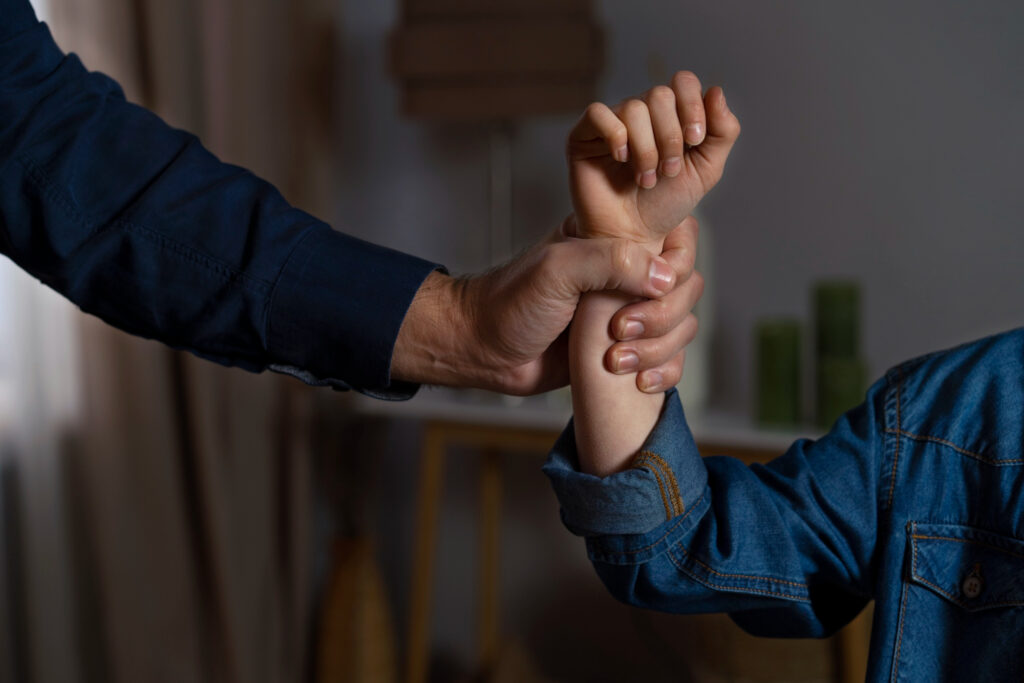
Domestic violence is a complex phenomenon that significantly affects the overall development of children and adolescents. According to Piantino Dias and Regis Duarte (2025), changes in the behavior of victims and their caregivers are strong indicators of abuse, especially in cases of psychological violence, which is characterized by its subtlety and the social tolerance it often receives.
Among the most common types of violence are physical, sexual, psychological violence, and neglect (Piantino Dias et al., 2025; Lourenço et al., 2013). Children’s exposure to aggression between parents or caregivers, known as interparental violence, constitutes a form of psychological abuse and generates consequences such as anxiety, fear, poor academic performance, depression, and aggressive behaviors (Lourenço et al., 2013). The severity of these symptoms depends on multiple factors, including the child’s age, gender, personality, and the availability of social support.
Early detection of domestic violence requires systematic observation of changes in children’s behavior, as well as in the attitudes of parents and caregivers, such as threats, raised voices, or verbal abuse (Piantino Dias et al., 2025). Health professionals—including physicians, psychologists, dentists, and community workers—play a key role in identifying victims and communicating with social protection networks. However, lack of professional training and fear of reporting limit case visibility, reducing the effectiveness of child protection policies.
In addition to observation, taking immediate action is essential to protect children and adolescents when abuse is suspected. In Colombia, any person who becomes aware of a situation of domestic violence may file a report, including family members, neighbors, teachers, or health professionals (Fiscalía General de la Nación, n.d.). The first step is to contact the municipal Family Welfare Office (Comisaría de Familia), where protection and support measures can be initiated (Secretaría de Integración Social, 2023).
It is also possible to contact the Colombian Institute of Family Welfare (ICBF) through the free national hotline 141, available 24 hours a day, which is staffed by professionals in law, psychology, and social work who provide guidance and coordinate immediate intervention, including coordination with the Police for Children and Adolescents in cases of imminent risk (ICBF, n.d.). Other available entities include the Comprehensive Care Centers Against Domestic Violence (CAVIF), the Comprehensive Care Centers for Victims of Sexual Crimes (CAIVAS), and the Immediate Response Units (URI), which integrate the Prosecutor’s Office, forensic medicine, and psychosocial assistance, ensuring comprehensive protection for victims (Policía Nacional, 2019).
In conclusion, domestic violence severely affects the development of children and adolescents, making early detection essential. Observing changes in children’s behavior and acting promptly allows effective protection mechanisms to be activated. Coordination among professionals, the community, and the institutional network in Colombia ensures a comprehensive response and victim protection, helping to prevent further harm and promote well-being.
References
Fiscalía General de la Nación. (n.d.). Domestic violence.
https://www.fiscalia.gov.co/colombia/wp-content/uploads/Violencia-intrafamiliar.pdfICBF. (n.d.). Hotline 141: Child abuse reporting and assistance.
https://www.icbf.gov.co/noticias/linea-141Lourenço, L. M., Baptista, M. N., Senra, L. X., Almeida, A. A., Basílio, C., & Bhona, F. M. d. C. (2013). Consequences of exposure to domestic violence for children: A systematic review of the literature. Paideía, 23(55), 263–271. https://doi.org/10.1590/1982-43272355201314
Piantino Dias, E., & Regis Duarte, K. (2025). Difficulties in the care of children and adolescents who are victims of domestic violence. Revista sobre la infancia y la adolescencia, 29, 65–76. https://doi.org/10.4995/reinad.2025.21435
Policía Nacional. (2019). Guidelines for responding to cases of violence against women, family, and gender within the institution.
https://www.policia.gov.co/sites/default/files/2as-gu-0001_guia_de_orientacion_frente_a_casos_de_violencia_a_mujer_familia_y_genero_al_interior_de_la_institucion_0.pdfSecretaría de Integración Social. (2023). What is violence in the family context and how to report these cases in Bogotá.
https://www.integracionsocial.gov.co/index.php/noticias/95-noticias-familia/5743-que-es-la-violencia-en-el-contexto-familiar-y-como-denunciar-estos-casos-en-bogota