Authors
- Juan Diego Zuluaga Rincón
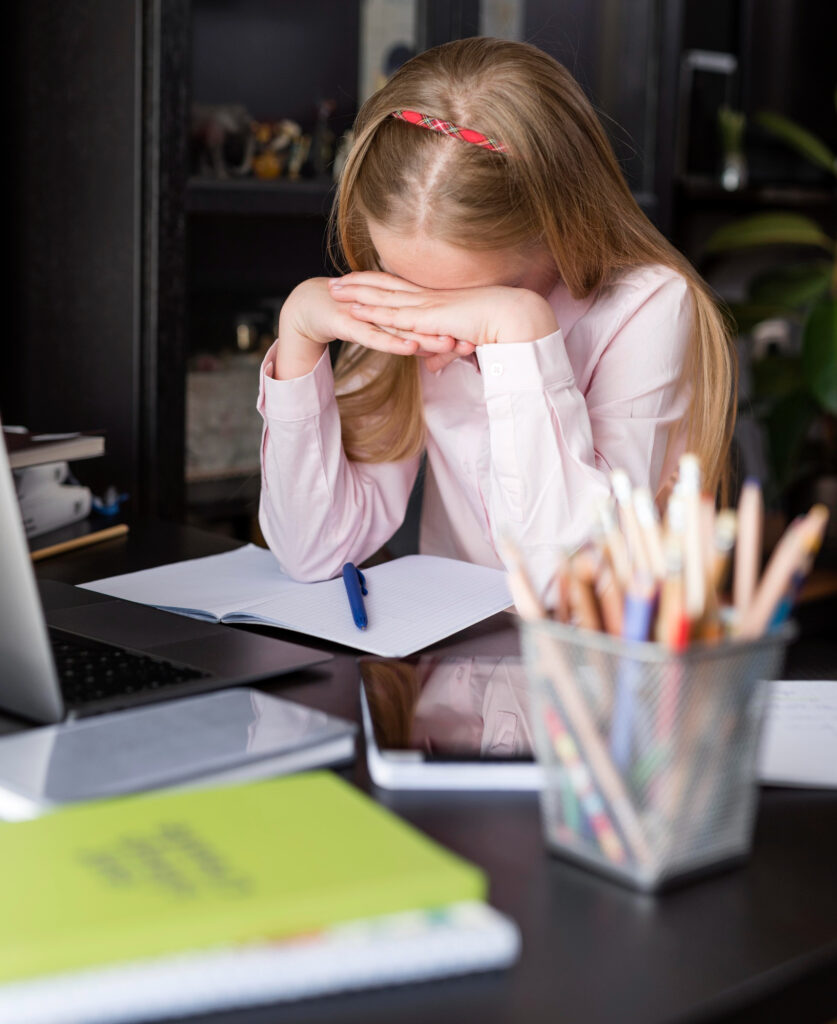
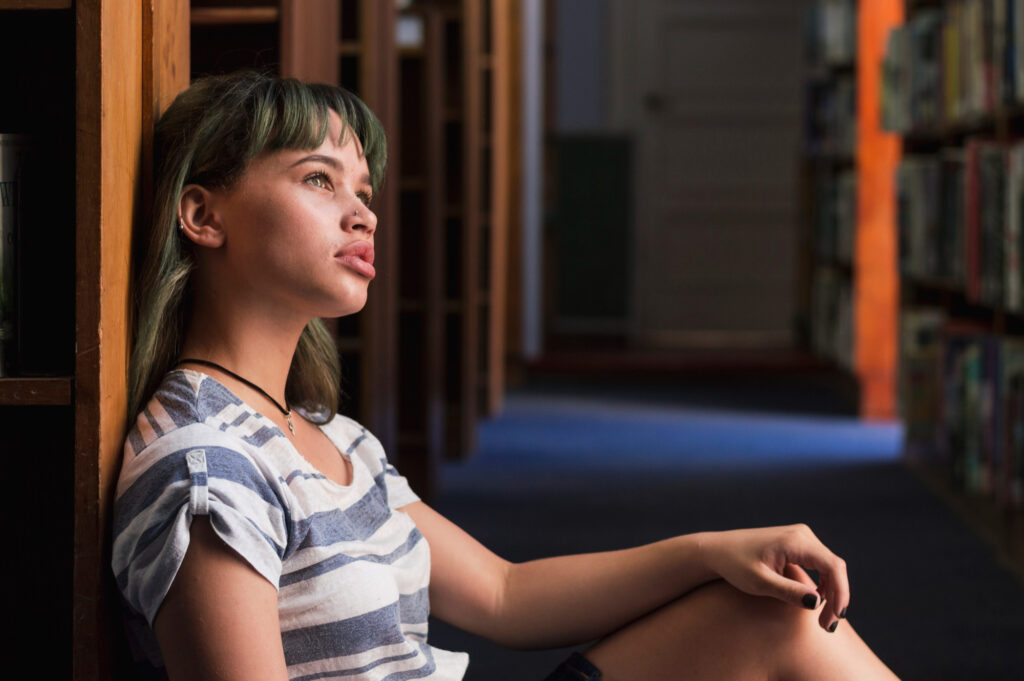
Anxiety is a normal and necessary human reaction to risky situations, moments of change, or demanding circumstances. For example, it is common to experience anxiety before taking exams, changing schools, or having disagreements with others. During adolescence, anxiety may occur more frequently because both the brain and social life change rapidly, leading adolescents to face unfamiliar experiences. Anxiety usually decreases when situations improve or when adolescents learn strategies to manage it (CDC, 2025).
How to recognize anxiety and when to seek professional help
The American Academy of Child and Adolescent Psychiatry (2020) explains that there is normal, expected anxiety and anxiety disorders that require professional intervention. Expected anxiety is temporary and proportional to the stimulus that causes it, such as experiencing reasonable fear when changing schools or before taking a demanding exam. This psychiatric association also notes that these normal emotional reactions do not prevent adolescents from studying, socializing, sleeping well, or maintaining their daily routine.
In contrast, anxiety that requires professional intervention tends to be intense and persistent (lasting several weeks or months) and leads to changes in the adolescent’s daily activities, such as social withdrawal, decreased academic performance, or school absenteeism. In some cases, it may also result in panic attacks or avoidance of routine activities. The American Academy of Child and Adolescent Psychiatry further emphasizes that if symptoms interfere with the daily life of the child or the family, it is important to consult a healthcare professional.
How to help a child manage anxiety?
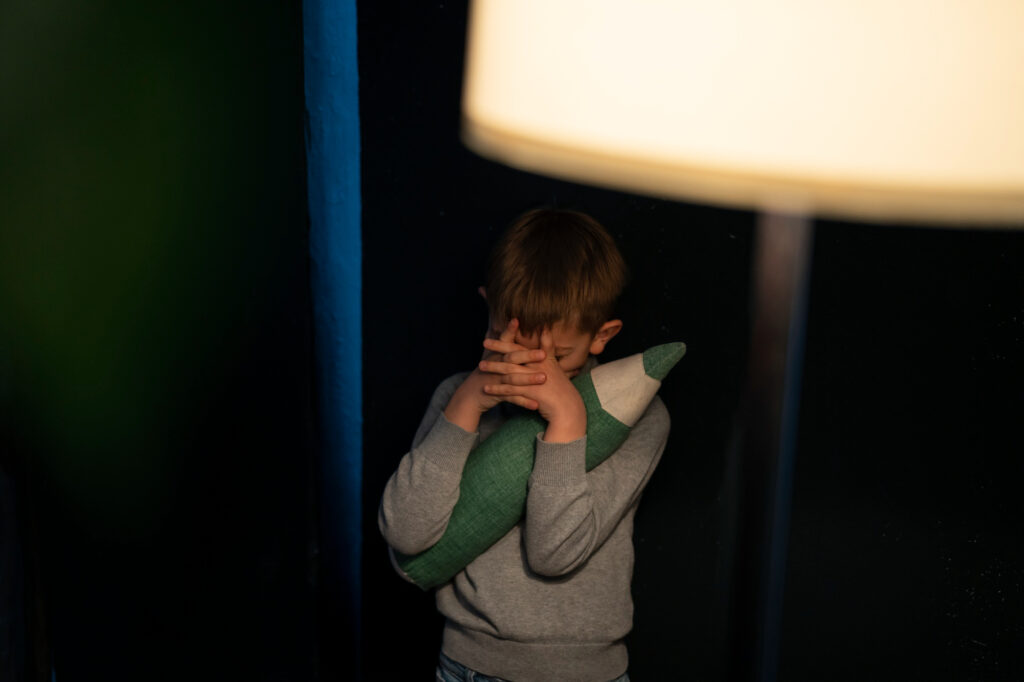
Professionals from the National Health Service in England explain that support from parents and caregivers is essential for the effective management of anxiety symptoms in children. They state that when recognizing moments of anxiety in minors, caregivers should remain calm, speak in a gentle tone of voice, and validate the child’s feelings, offering support without minimizing the situation. They also mention that brief techniques for managing anxiety symptoms, such as paced breathing, can be helpful.
Additionally, the American Academy of Child and Adolescent Psychiatry (2020) indicates that caregivers should avoid reinforcing avoidance behaviors and instead provide support to help children gradually face the situations that cause fear. Finally, if symptoms persist over a prolonged period or interfere with daily life, it is necessary to seek the support of a mental health professional.
Conclusion
Anxiety in children and adolescents is normal and manageable. Strategies such as identifying symptoms, family support, and timely access to mental health services make it possible to manage anxiety effectively and prevent future complications. Anxiety should not be viewed as something negative, but rather as a natural process experienced by all human beings that must be learned to be recognized and managed.
References
- American Academy of Child and Adolescent Psychiatry. (2020). Anxiety disorders: Parents’ medication guide (Parents’ Medication Guide Work Group). https://www.aacap.org/App_Themes/AACAP/docs/resource_centers/resources/med_guides/anxiety-parents-medication-guide.pdf
- Centers for Disease Control and Prevention. (2025, June 9). Anxiety and Depression in Children.https://www.cdc.gov/children-mental-health/about/about-anxiety-and-depression-in-children.html
- NHS. (2023, December 15). Anxiety disorders in children and young people: Advice for parents.https://www.nhs.uk/mental-health/children-and-young-adults/advice-for-parents/anxiety-disorders-in-children/